It’s no coincidence that the book-ends of the Word of God begin (Genesis 1) and end (Revelation 22) in a garden. Jesus also knew much of gardens and vineyards and many of his parables and teachings surrounded topics that listeners in the agrarian society in which He lived were familiar and could resonate with. He set the created world in motion in a garden and He will one day restore the beauty and perfection of the garden, but it was also in a garden that He prayed, agonized over His coming death, and was arrested the night before His crucifixion.
God doesn’t put constant themes and reminders in His word for us to overlook and make no connection with. I have been reminded of that afresh this summer as God showed me the connection between the tangible and the spiritual as I worked in the garden and among the grapes.
Many summers of my life, my parents have planted a garden or large crop of some type. Over the years, we have hauled watermelons to farmer’s markets, stripped and cut cane to press and make sorghum syrup, picked what seemed to be never-ending rows of peas, and more. My parents have shared loads of vegetables with family, neighbors, and friends. Years ago, my husband planted a small vineyard of Concord grapes and scuppernongs and I help tend that also.
Acknowledging in the early Spring that the food supply chain that consumers typically depend on could easily be interrupted or limited, this year my dad, mom, sister, nieces and brother-in-law, and I planted and tended a large vegetable garden.
The hardened soil was turned. The seeds went into the earth- placed just so; then we covered them back up, gently, carefully, much like the labor of the preparation of planting seeds of the gospel.
Then we watered, fertilized, and waited.
Tiny little green sprouts shot forth from the ground, but all around them, so did the weeds. Some briars, but not very many; we knew we didn’t want those in the garden. They were easy to spot and identify, so we grabbed the garden hoes and chopped them down so they wouldn’t choke the young plants. But, then there was the clover. It didn’t look so threatening and if you didn’t look closely, it was hard to tell the difference between it and some of the small plants. It doesn’t snag your pant legs like the briars, but it grows and spreads so fast that soon it becomes more of a problem than the few briars. The briars reminded me of the ‘big’ sins in my life and the world, and the clover the ‘little sins’ that don’t seem like such a big deal, until they take over.
We didn’t have to weed the garden just once. Every few days the weeds were back, requiring us to rid the garden of their presence. Our shoulders ached. The sun beat down on our backs. We were sweaty. Our hands were blistered. There was nothing fun or comfortable about removing the weeds. It was as if the plants needed constant attention so the weeds didn’t take over, much the same as it is with our hearts and the problem of sin. But as we ridded the garden of the weeds, the plants thrived. Soon, they were producing fruit.
We saw the fruits of our labors; we enjoyed the fruits of our labors, but the labors didn’t stop. The work had to continue. We had to water, or else the sun would beat down and wither the fruit. We had to fertilize and apply mixtures to keep the pests away. And still we had to remove the weeds…always, the weeds.
One day, my sister and I were thigh deep in leafy green plants, gathering squash and zucchini. I looked down to find a beautiful cantaloupe at the base of a zucchini plant. I was stunned for a moment because we hadn’t planted cantaloupes. I bent down, lifted the large leaves of the zucchini plant, and looked around for a volunteer cantaloupe plant, knowing full well that the garden had been too closely tended to have missed a plant and large fruit that didn’t belong. Still it made no sense. So, confused, I picked it up and showed my sister. Bringing some sensibility to the moment, she said, “Well someone put it there, because zucchini plants don’t grow cantaloupe.” My dad had put it there as a joke, but it served as a good reminder that, 100% of the time, what you plant is what will grow. The seeds we sow in the lives of others, the world, the church, and our homes are the seeds that will grow, determining the fruit that will be produced.
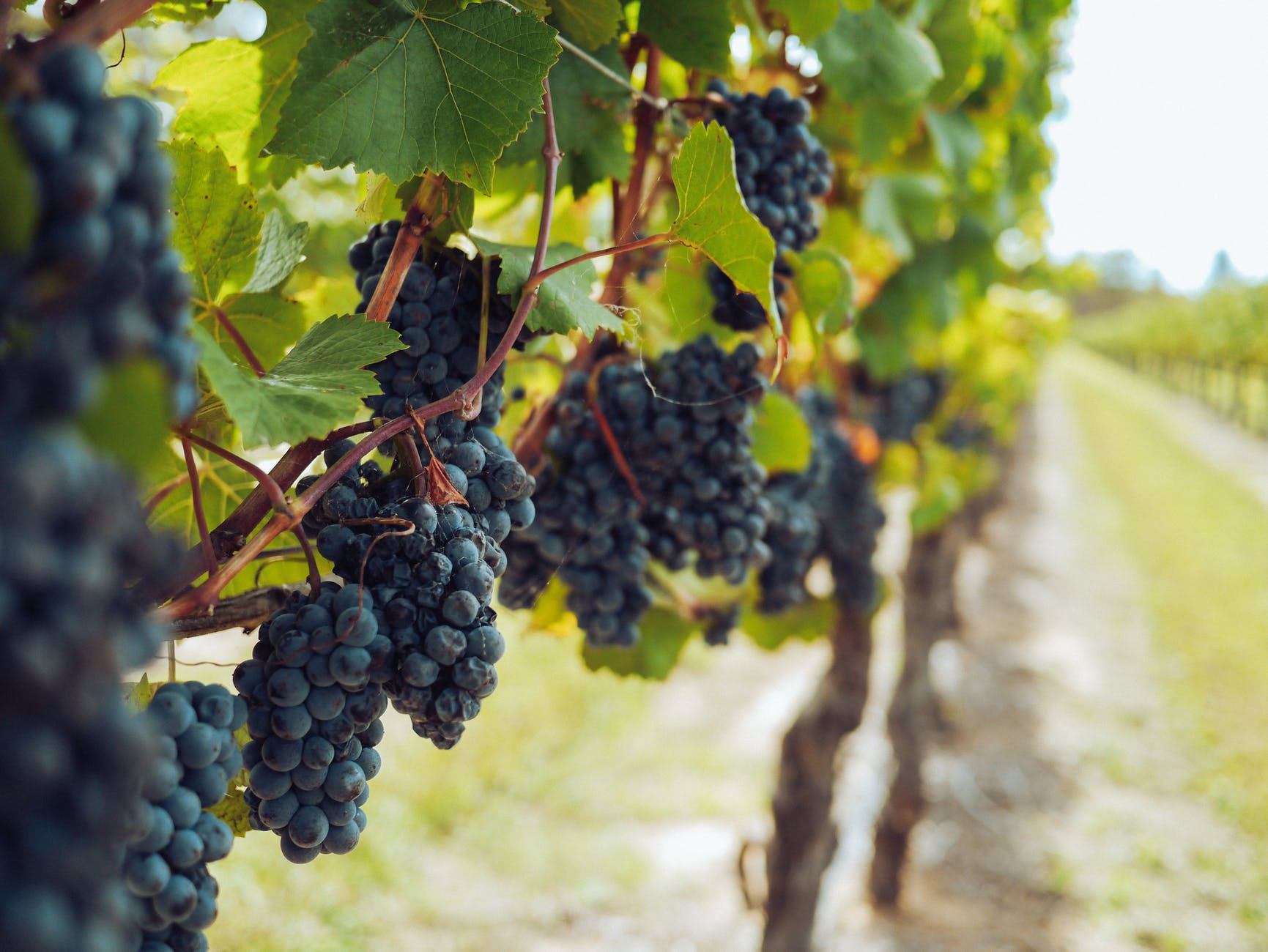
Grapevines and scuppernong vines are somewhat different from a vegetable garden. After the initial hardship of planting and training the direction of the vines, years of discipline and consistency through a deep root system and structured trellis have taught the plants their place. The vines are strong and stable, the branches steady in the vines. Still, the fruit and the crop can be finicky. Early in the summer, I pruned the excess to allow the process of growth to focus more of its energy on the tiny budding clusters of fruit. As the pretty greenery fell away, I tried to figure out what I could do with it so that it didn’t just wither away under the blistering sun. Couldn’t I pick it back up and find a use for it? Decorate something with it maybe? Hang onto it a little longer? Then it dawned on me that what lay in piles on the ground had been sucking the life out of the fruit. The fruit would be better for it. It might even make the difference in the fruit surviving or not. My own life is the same; there is so much meaningless “extra”. It’s stealing my time, stealing my energy, stealing my attention from what’s most important. Yet I want to hang onto it, gather it back up, hold it tight. Those things in our lives need a swift chop, just like my pruning shears delivered to the grape and scuppernong vines .
Then there are the deer; they have a special affinity for Concord grapes. A few years ago, I looked at the heavy vines, weighed down from the fatness of so many clusters; nearly bursting with flavor, the late evening sun cast a translucent sheen on their purple skins. They were ripe to perfection. I promised myself I’d return the next day to harvest them and then, I left. I returned the next morning, baskets in hand, but the deer had come in the night. Not only had they stolen the fruit, but they had torn down and trampled the vines and trellises in their wake. Repairing and restoring the wreckage was more work than the initial planting and training. A handful of years later, I am just now picking a precious few clusters from the still suffering grape vines. Satan works much the same way; he is ready to sneak in and steal the harvest of fruit the moment we turn our backs, to wreak havoc on and tear apart the relationships we’ve worked hard to build.
Yesterday, my husband told me that some of the excess leaves need to be plucked off of the scuppernong plants. He expressed that the fruit is beginning to ripen, but there are too many leaves and the removal of some of the leaves would make a difference in production because it would let more sun in, thus ripening more fruit and yielding a better and bigger crop. I promptly told him that I have far too much to do to spend my time plucking leaves and that, at this point, what doesn’t ripen just doesn’t ripen. But, later in the day, I started thinking about the potential fruits of my labor- the sweet taste of those plump, juicy, golden scuppernongs on my lips. They need the sun. The same is the case in the vineyard of our spiritual lives. If we want to produce much fruit, we must do what it takes to let the SON shine through.
“I am the vine, ye are the branches: He that abideth in me, and I in him, the same bringeth forth much fruit: for without me ye can do nothing.” (John 15:5)
Written by Ashley Fountain on 9/7/2020
 Written Upon My Heart